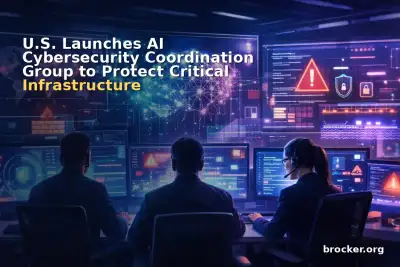
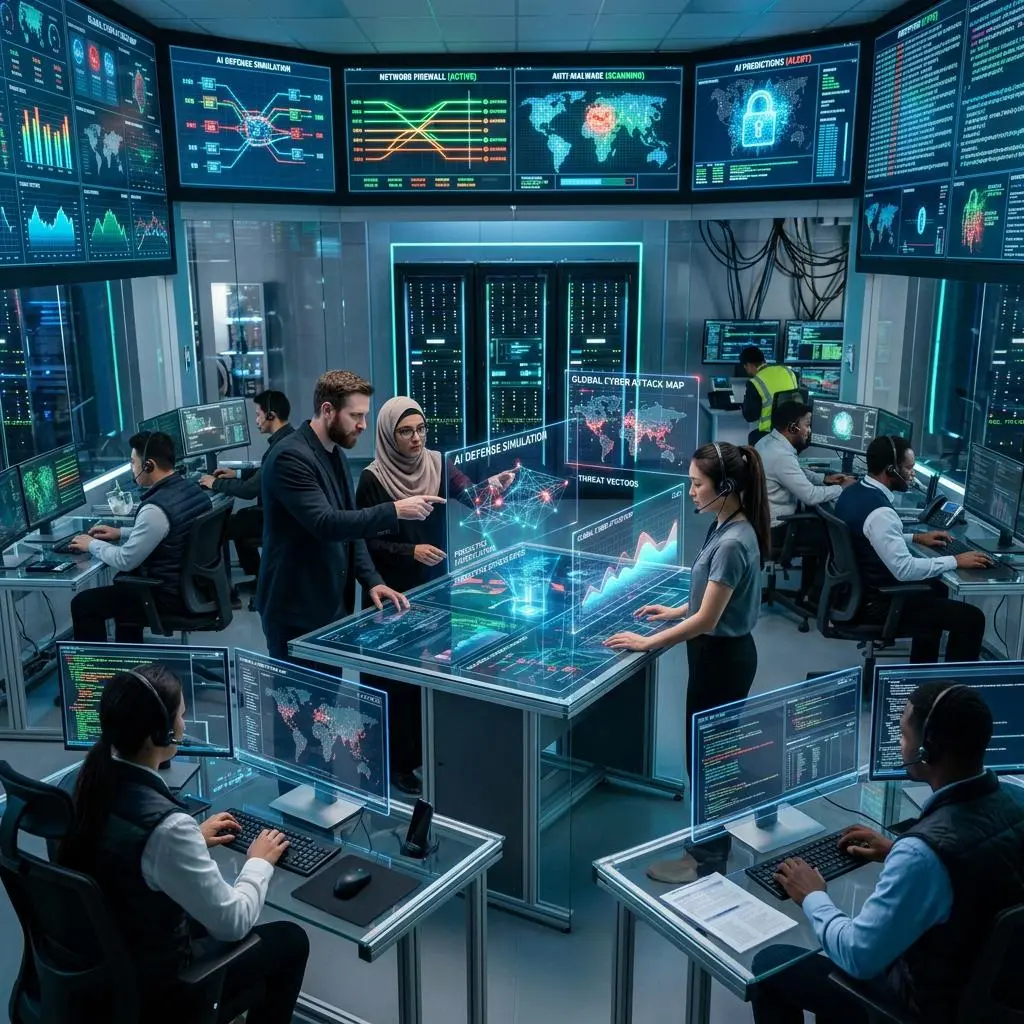
The United States is taking a more coordinated approach to AI and cybersecurity. A new AI Cybersecurity Coordination Group will bring together federal agencies, major AI companies, and critical infrastructure operators to identify digital threats before they become large-scale incidents.
The goal is simple but urgent: use advanced AI systems to find software vulnerabilities faster than attackers can exploit them.
Why the group was created
Cybersecurity teams already face a difficult workload. They monitor networks, review software, respond to alerts, patch vulnerabilities, and investigate suspicious activity across systems that often span thousands of machines.
AI is changing that work on both sides. Defenders can use models to review code, detect unusual patterns, summarize reports, and prioritize threats. Attackers can use similar tools to automate phishing, discover weaknesses, or speed up malware development.
That tension is why the U.S. government is trying to organize cooperation before the gap becomes harder to manage.
Who is expected to participate
The initiative is expected to include leading AI developers such as OpenAI, Anthropic, Meta, NVIDIA, and other technology companies, alongside agencies responsible for national security and infrastructure protection.
The value of the group will come from information sharing. A vulnerability found in one system may matter to energy providers, hospitals, banks, telecommunications networks, or transportation operators. Faster coordination can reduce the time between discovery and response.
Critical infrastructure is the focus
The group will focus on sectors where a cyberattack could affect large numbers of people. That includes energy networks, healthcare systems, financial institutions, telecommunications, transportation, and water infrastructure.
These systems are increasingly digital and interconnected. A single weakness in widely used software can quickly become a national security concern if it affects essential services.
How AI can help defenders
Modern AI models can scan code, compare patterns, summarize technical reports, and help analysts understand which vulnerabilities deserve immediate attention. Used carefully, these tools can reduce the manual burden on security teams.
AI will not replace human security experts. It can, however, help them move faster. In cybersecurity, speed matters because attackers often begin exploiting vulnerabilities soon after they become public.
The hard part: trust and control
Information sharing in cybersecurity is sensitive. Companies and infrastructure operators may be cautious about exposing details of their systems, especially when those details involve national security or customer data.
The new group will need clear rules around confidentiality, access, and accountability. AI-generated findings also need human review, because false positives and incomplete context can lead to poor decisions.
What it means for businesses
For companies that run critical systems, the initiative could eventually lead to better threat intelligence, faster patch guidance, and stronger cooperation with AI vendors.
Businesses outside the United States will also be watching closely. If the model works, similar public-private AI security groups may appear in Europe, Asia, and other regions.
Our take
This is one of the most practical uses of AI in the near term. While consumer chatbots get much of the attention, vulnerability discovery and threat analysis could have an even larger impact on public safety.
The challenge is making sure defensive AI develops faster than offensive AI. Better models will help, but cooperation between government, technology companies, and infrastructure operators may be just as important.
Frequently asked questions
What is the AI Cybersecurity Coordination Group?
It is a U.S. initiative designed to connect government agencies, AI companies, and critical infrastructure operators around cybersecurity threats.
Why is AI useful for cybersecurity?
AI can help analyze code, detect vulnerabilities, summarize alerts, and speed up threat response, although human experts still need to verify important findings.
Which sectors are most affected?
Energy, healthcare, finance, telecommunications, transportation, and water infrastructure are among the main areas of concern.
Sources
- Reuters
- White House announcements
- U.S. cybersecurity agency materials